An academic program designed to accelerate AI solutions into clinic practice.
Our latest Updates and News
Featured














CNN’s Kara Swisher Wants to Live Forever highlights FaceAge
Predicting immunotherapy outcomes in cancer patients.
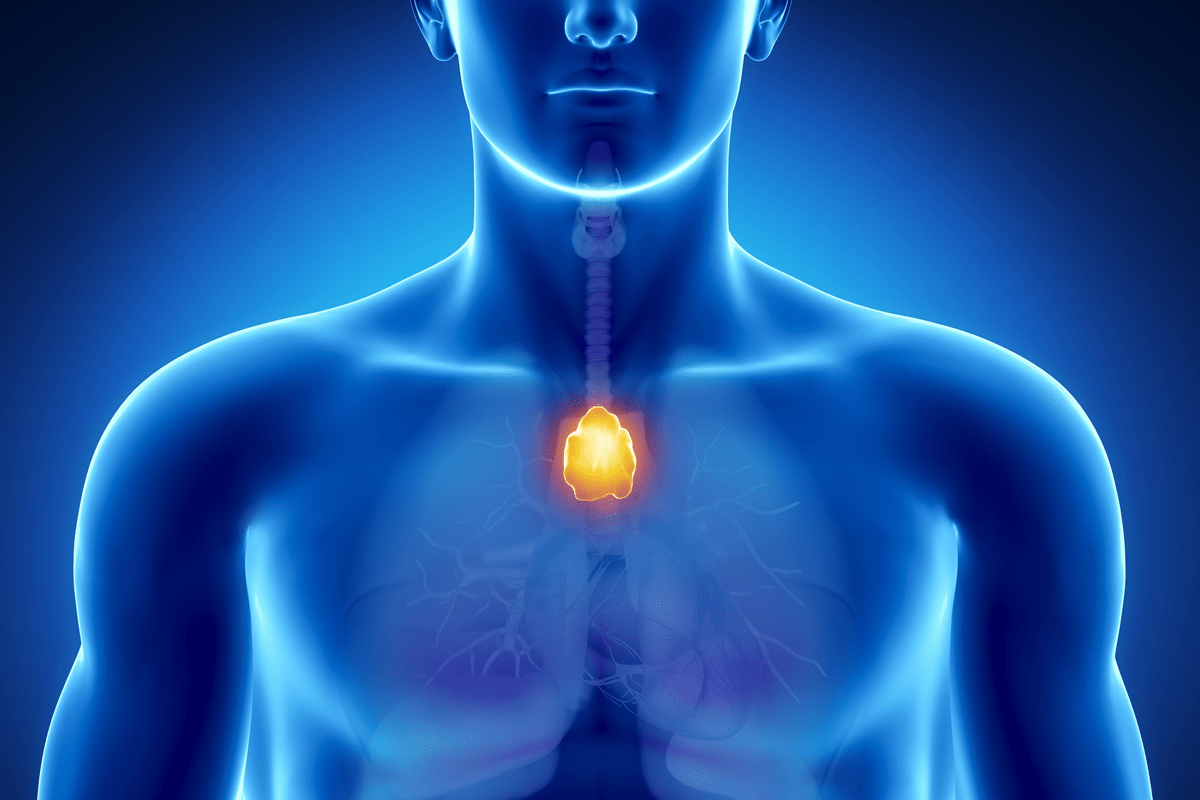
AI thymus biomarker linked to lower mortality and cardiovascular risk.
AIM researchers review AI based biological age estimation from medical images.
AIM Study on Biological Age using Face Photos picked up by Fox News
New York Times features AIM Study on Biological Age using Face Photos
Novel deep learning system for estimation of biological age from face photographs
AIM Investigator awarded 5-year grant to improve cancer survivorship
Responding to patient messages using LLMs
AIM Student Awarded 2024 Google PhD Fellowship in Natural Language Processing
AIM Study on LLMs for patient portal messaging on NYT
AIM study highlighted by MGB News and several outlets - ScienceMag, Science Daily and ecancer.
AIM Researchers build foundation model to discover new cancer imaging biomarkers
AIM study investigates if AI can highlight social determinants of health from clinical notes
AIM investigators developed AI to track muscle mass for children through young adulthood
Bloomberg, WBUR, Yahoo and many other major news outlets feature AIM study on ChatGPT
AIM researchers investigate ChatGPT for its ability to provide cancer treatment recommendations
PLOS Medicine’s top 10% cited included AIM study on deep learning for lung cancer prognostication
AIM researchers developed AI that can diagnose sarcopenia in head and neck cancer.
AIM researchers and ethicists establish standards for informing patients in AI clinical trials.
In Nature Comm, AIM scientists show that AI applied to X-rays can be used as a new biomarker source in cancer.
AIM investigators published a clinical evaluation of AI algorithms to screen for extranodal-extension on CT.
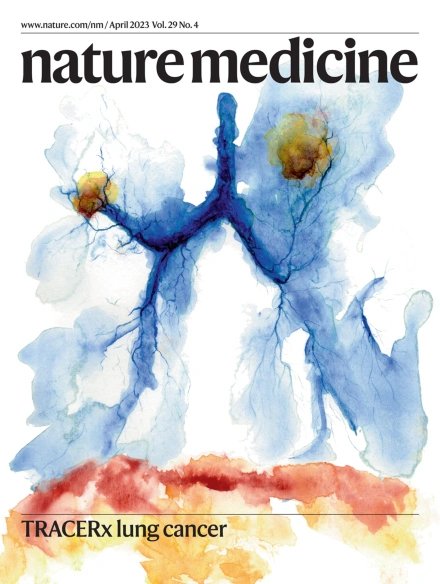
In Nature Medicine, AIM and TRACERx investigators show the importance of AI-based body composition.
AIM investigators developed an oncology AI Fact Sheet to facilitate the safe translation of AI models into cancer clinics.
A recent publication validated a lung cancer prediction model in 14,737 patients from Mass General Brigham.
The Moning Show at CNN features our new study predicting cardiovascular risk from x-rays.
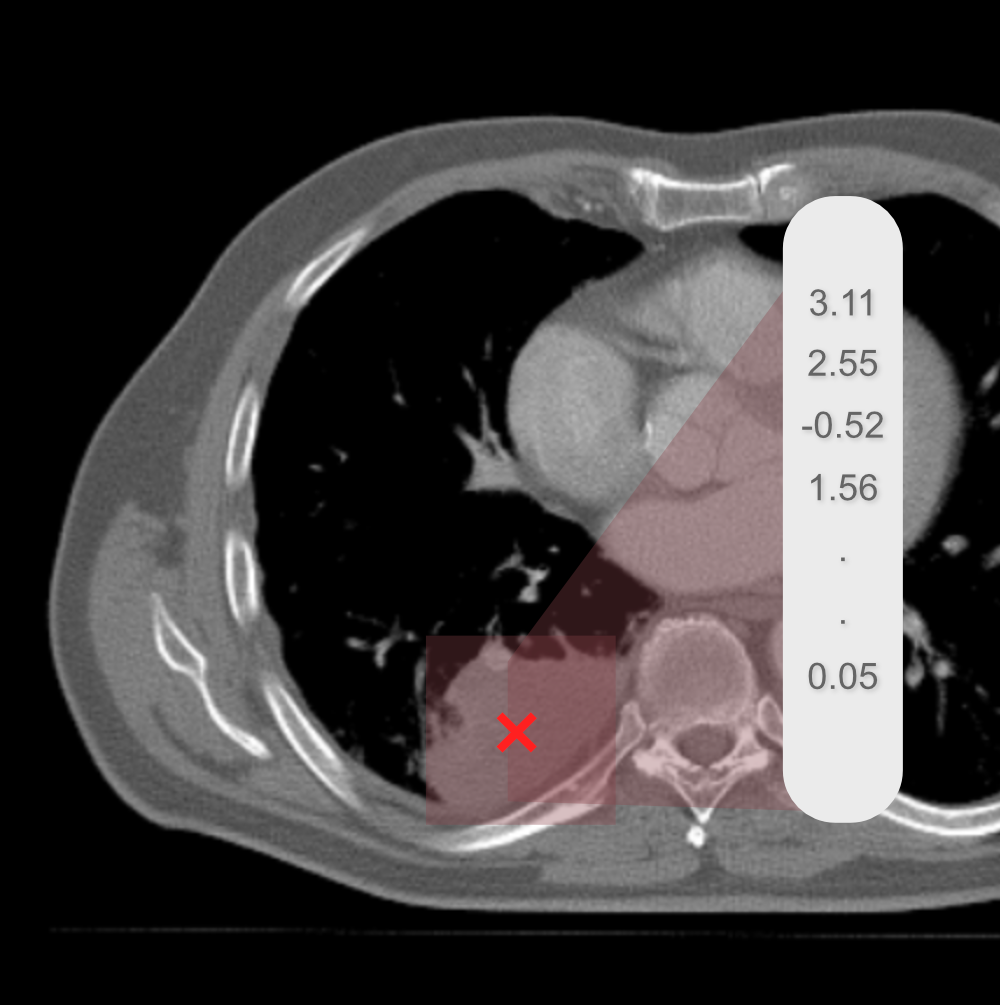
We developed an AI model that can accurately predict distant metastases after treatment for lung cancer patients.
AIM investigators found that clinical trials with AI algorithms showed high variability in quality.
In Lancet Digital Health, we published a clinical validation of deep learning algorithms to target lung cancer tumors.
The NIH awards the ModelHub platform for reproducible AI research.