Michael Lu
Faculty Member
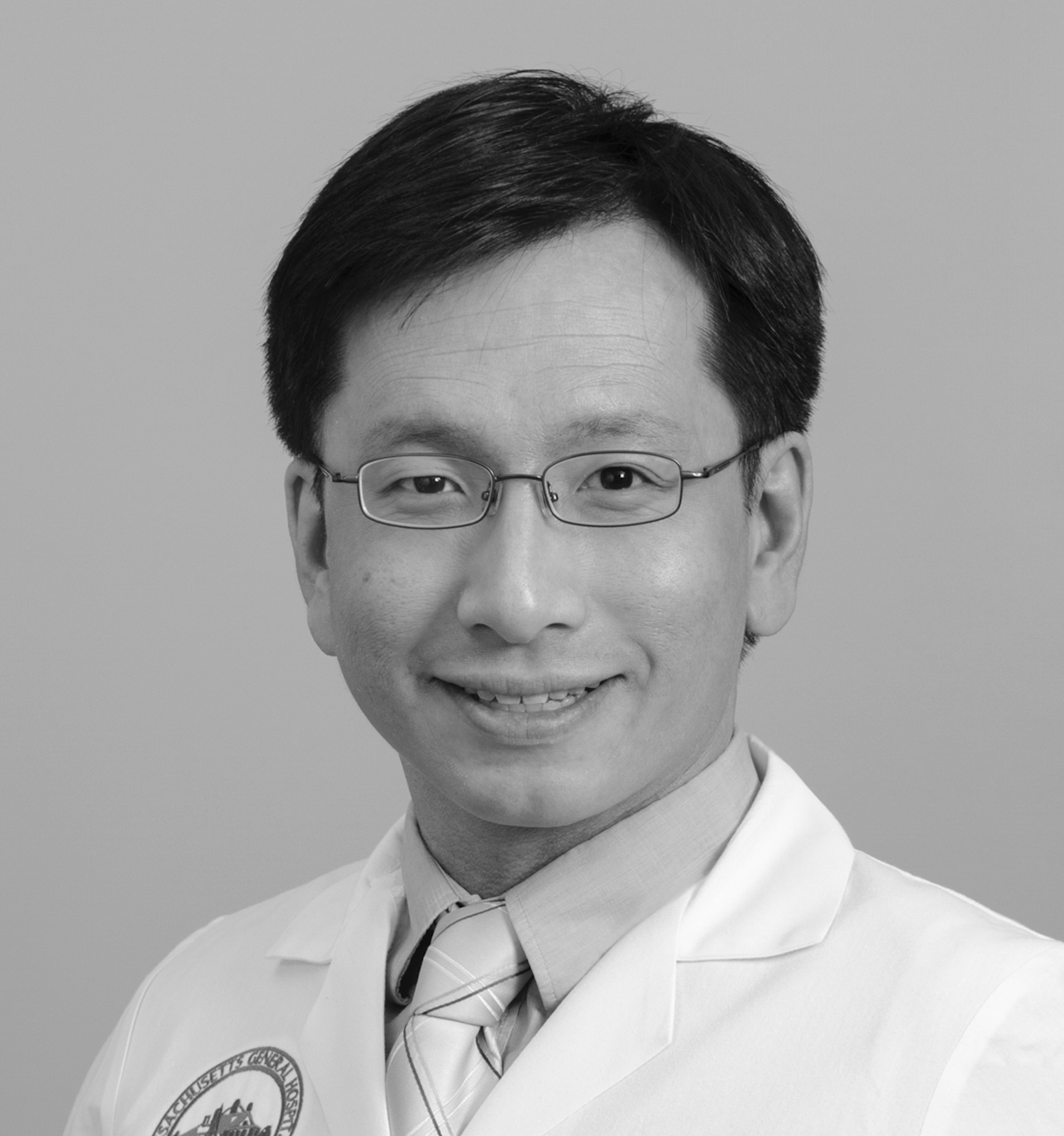
Michael T. Lu, MD, MPH, is Director of Artificial Intelligence and Co-Director of the Massachusetts General Hospital (MGH) Cardiovascular Imaging Research Center (CIRC), Associate Chair of Imaging Science for the MGH Department of Radiology, and Associate Professor of Radiology at Harvard Medical School.
Dr. Lu’s research focuses on A) machine learning to predict health outcomes from imaging and B) clinical trials using CT to improve health. Recent work has used convolutional neural networks to predict longevity, cancer, and cardiovascular risk from routine chest radiograph images. He is Co-PI of the Data Coordinating Center (DCC) of the REPRIEVE trial, a NHLBI/NIH-sponsored multicenter randomized controlled trial of statins to reduce coronary plaque and prevent cardiovascular events in persons with HIV.
Dr. Lu earned his undergraduate, MD, and MPH degrees from Harvard University. His training consisted of a transitional internship in Surgery and Medicine at Newton-Wellesley Hospital, residency in Diagnostic Radiology at the University of California, San Francisco, fellowship in Thoracic and Cardiac Imaging at MGH, and a NIH T32 fellowship in Cardiac Imaging at MGH.
email: mlu@mgh.harvard.edu
Research Highlights
In Nature Comm, AIM scientists show that AI applied to X-rays can be used as a new biomarker source in cancer.
A recent publication validated a lung cancer prediction model in 14,737 patients from Mass General Brigham.
The Moning Show at CNN features our new study predicting cardiovascular risk from x-rays.
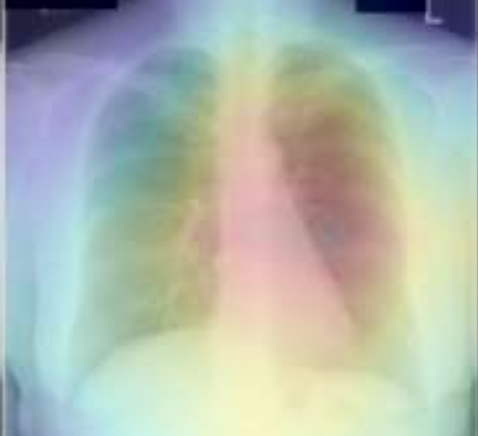
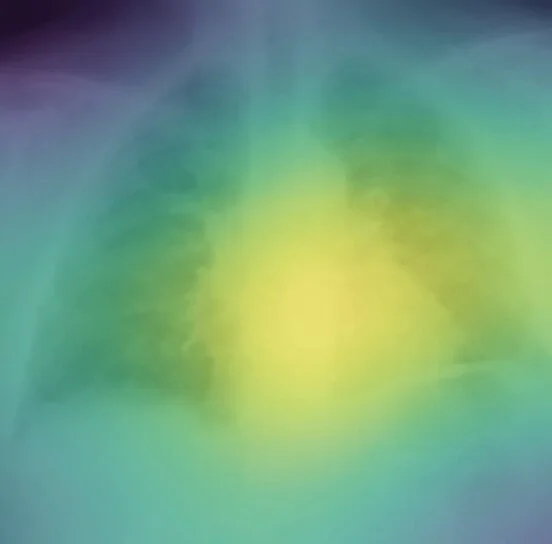
In this paper we demonstrate that deep learning applied to x-rays can be used as a new biomarker source.
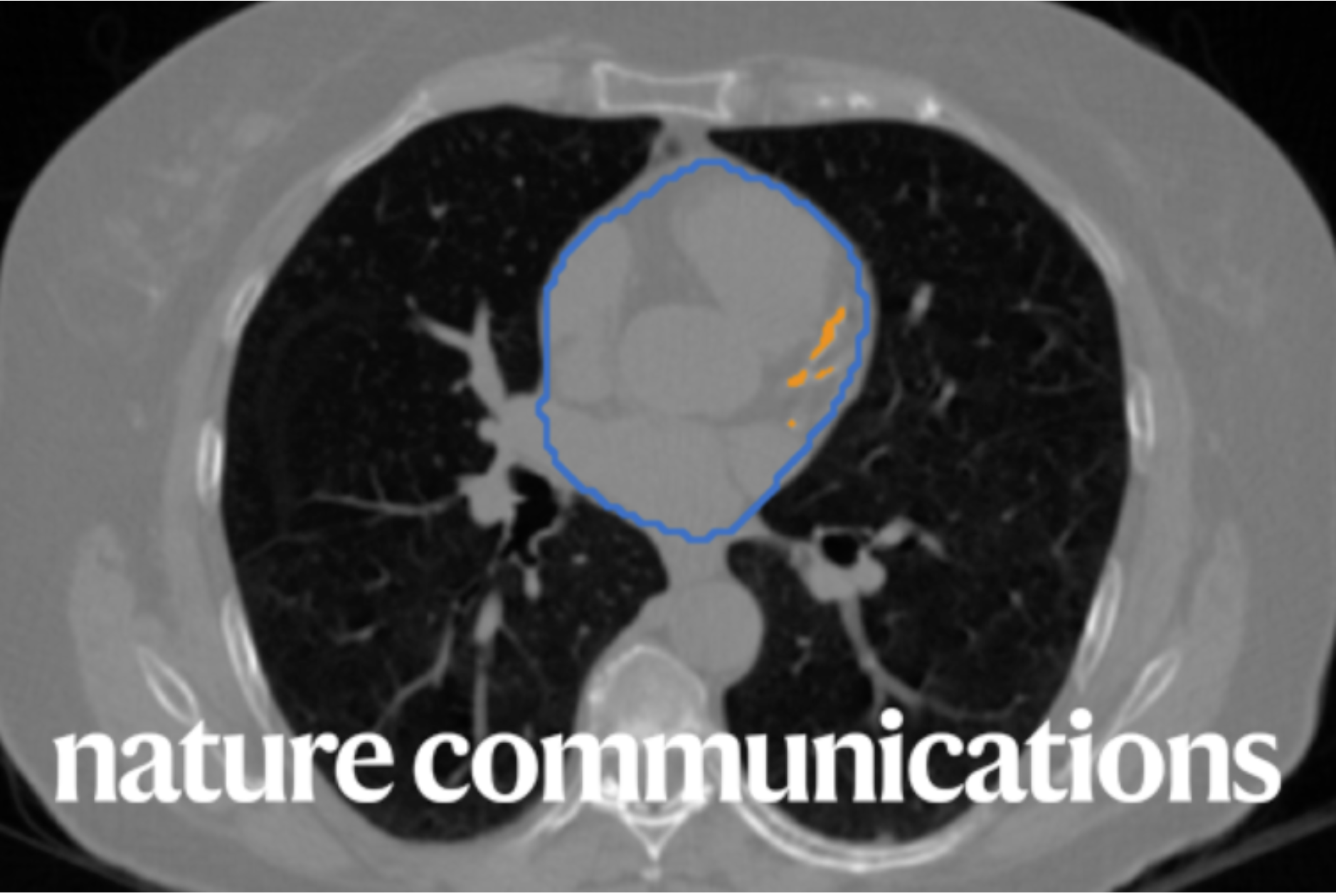
As Published in Nature Comm, we developed a deep learning pipeline to automatically predict cardiovascular events by quantifying coronary calcium on CT scans.
In Nature Comm, we show that deep learning can automatically predict cardiovascular events.
We developed several heart segmentation algorithms that work on gated and non-gated CT scans.
An automated deep-learning approach based on chest x-rays can improve lung cancer screening.
In a news item, Scientific American discusses our deep learning study to automatically predict mortality from x-rays.
In a special report about innovations in AI and digital health, Nature highlights two studies from AIM investigators.
EurekAlert from AAAS covers our study about cardiovascular risk predictions using AI.
At the annual meeting, a study about AI for cardiovascular risk prediction was awarded.
JAMA Network Open published our study about using deep learning to extract prognostic information from chest radiographs